(The short version)
Key takeaways
- 01
Search is moving toward direct answers, which means some users will decide before they ever visit a website.
- 02
Pages that are hard to parse, thin on proof or unclear on service area will be less useful to both AI systems and human readers.
- 03
Service businesses now need content that helps a search system explain who they are, what they do and when they are the right fit.
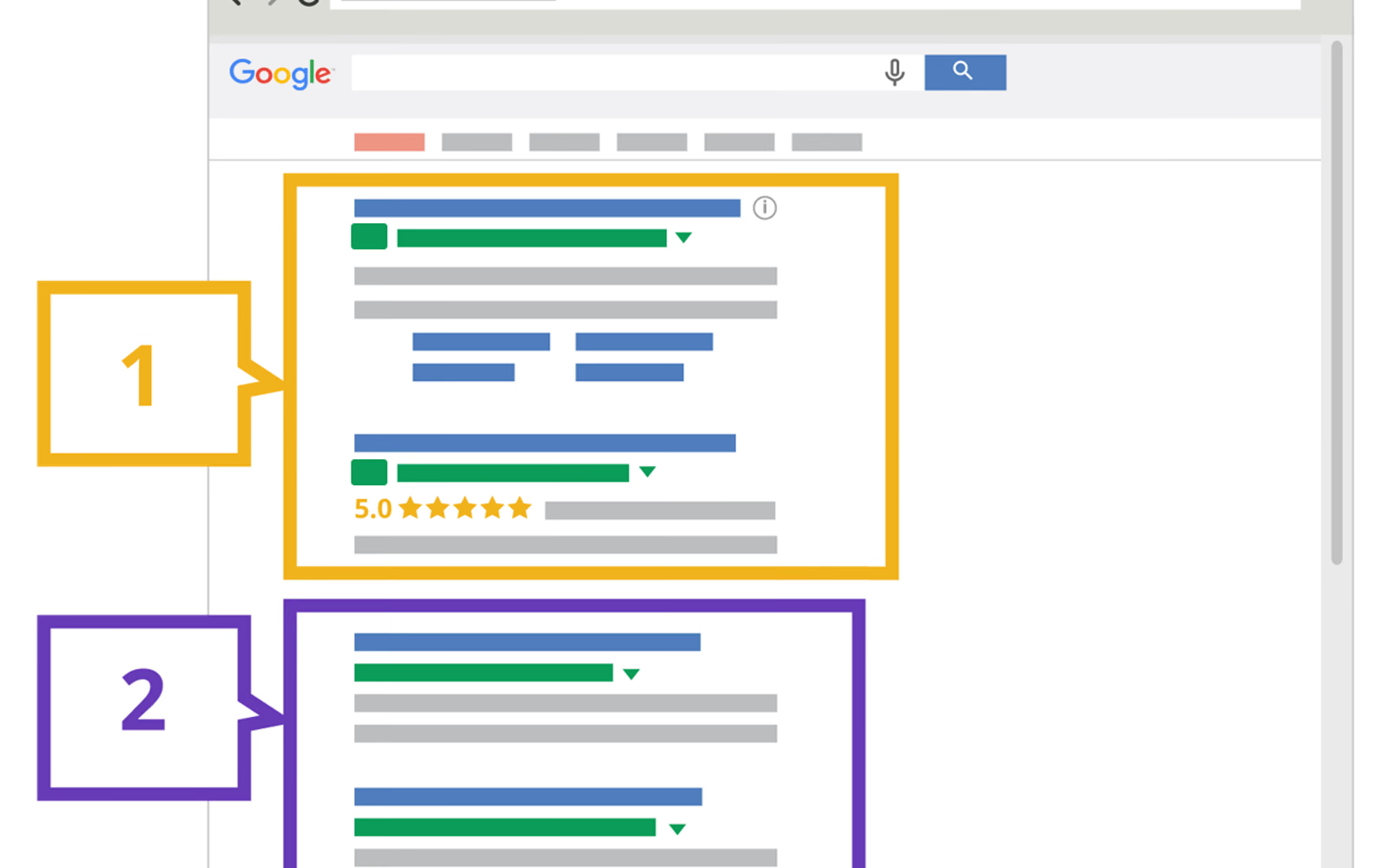
Search is no longer just a list of links. The development worth watching is that AI is increasingly answering the question before the click, and that changes how service businesses are found, compared and chosen.
For Australian firms that rely on enquiries, this is not a theory problem. It affects the quality of traffic, the shape of organic visibility and the job your website has to do. If the search result is now an answer, then the website is no longer only a destination. It has to be a source that can be understood, trusted and converted.
What changed
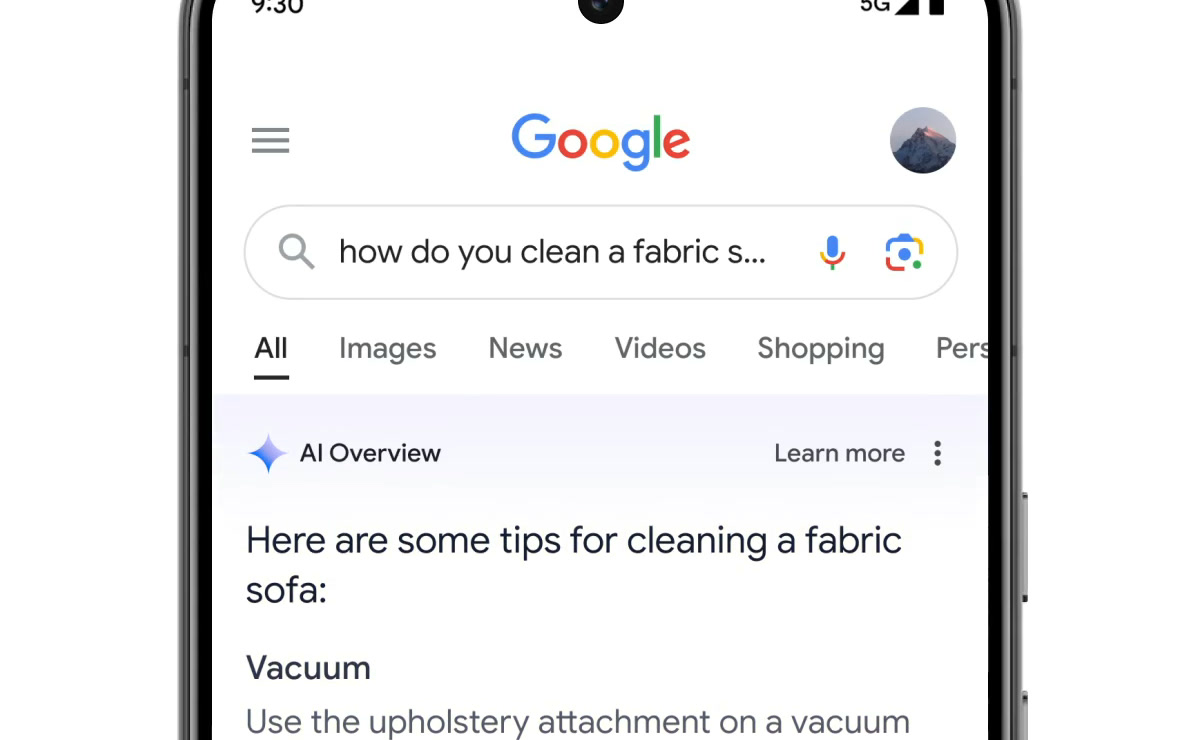
One of the clearest signals is that the web is being redesigned for AI. That is a useful shorthand for a broader shift: search systems are being built to summarise, interpret and surface answers rather than simply send people to pages.
Related to that, reporting on AI search says the default experience is changing as AI Overviews reshape web traffic. In plain terms, the search result page itself is taking on more of the work that used to happen on your homepage or service page.
There is also a commercial implication in the wider AI product direction. If search systems are becoming more conversational and more predictive, the boundary between discovery, comparison and conversion gets thinner. That makes the structure and clarity of your content more important than ever.
Why it matters for service businesses
Service businesses do not sell in one click. People compare, sanity-check, look for proof and try to reduce risk. AI search can shorten that path by giving a direct summary of who appears relevant, which means weak pages may lose attention earlier than before.
This creates two practical pressures.
First, your pages need to answer real buying questions clearly. A vague services page with no explanation of process, location fit, exclusions or evidence is easier for a search system to skip and easier for a prospect to ignore.
Second, your site has to do more than rank. If fewer visitors arrive from search, each visit needs a stronger chance of becoming a call, form submission or booked conversation. That usually means tighter page messaging, stronger service summaries and clearer proof of credibility.
There is also a trust dimension. One source in the pack highlights the privacy risk created when AI systems intersect with personal data and public outputs. For service businesses, that is a reminder that users will become more selective about which brands feel safe, clear and professional enough to engage with.
The opportunity
The sensible move is a search readiness audit built around answerability.
Start with your top service pages and ask four simple questions: Can a search system easily identify the service? Can a human quickly see who it is for? Is there enough proof to support trust? Is there a clear next step that matches the buyer’s intent?
If the answer is no to any of those, fix that page before publishing more content. In an AI-led search environment, better structure often beats more volume.
For most service businesses, the best opportunity is not to chase every new AI feature. It is to make the core pages more legible, more useful and more decisive. That improves the chance of being surfaced, understood and chosen.
The practical goal is simple: make your website easier for both search systems and buyers to trust.
(Evidence)
Sources
- 01
- 02
- 03
- 04
(Written by)
Liam Meacham
Liam leads client strategy across paid media, lead generation and growth systems. His focus is simple: qualified leads, revenue and the commercial result behind the work.
Meet the people behind Think Online(Put it to work)
WANT HELP SCALING YOUR BUSINESS WITH AI?
If this change affects how your business attracts, qualifies or converts demand, we can help you decide what to do next.
Discuss the opportunitySEND US A MESSAGE
Tell us what you are trying to achieve — we respond within one business day.