(The short version)
Key takeaways
- 01
A visitor should understand what you do, who it is for and what to do next within seconds.
- 02
Proof belongs close to the claims it supports—not hidden on a separate testimonials page.
- 03
Mobile speed and contact friction matter because high-intent customers often act from a phone.
- 04
The website and lead-response process should be measured as one conversion journey.
Clarity Before Creativity
Visitors should understand in seconds what you do, who you help, and what to do next. If those three points are unclear, traffic quality will always look worse than it actually is.
Trust Signals That Reduce Hesitation
Proof is more useful when it is easy to find: named case studies, credible reviews, clear business details and consistent messaging across pages. Place trust signals near the claim or action they support instead of hiding them in an isolated section.
Offer Framing and Service Structure
A conversion-focused site groups services by buyer intent, not by internal jargon. Each service page should explain scope, likely fit, and next steps with minimal ambiguity.
If pages are hard to scan, both paid and organic traffic underperform.
Speed and Mobile UX Are Commercial Factors
-
Fast initial render keeps high-intent visitors engaged.
-
Readable mobile layout improves form completion and call clicks.
-
Consistent CTA placement reduces drop-off between sections.
Technical quality is not a vanity metric. It directly affects enquiry volume and lead quality.
Form and Follow-Up Design
Long forms create friction when every field is treated as mandatory. Capture only what is needed to decide the next action, then use the follow-up process to collect deeper detail. The form should feel proportionate to the value of the first step.
Where to Start If Conversion Is Flat
-
Tighten headline clarity on homepage and top service pages.
-
Align service-page copy with actual buyer objections.
-
Improve proof placement near high-intent CTAs.
-
Fix speed bottlenecks and mobile friction before scaling traffic.
For deeper implementation support, see SEO, Google Ads and AI Systems.
(Written by)
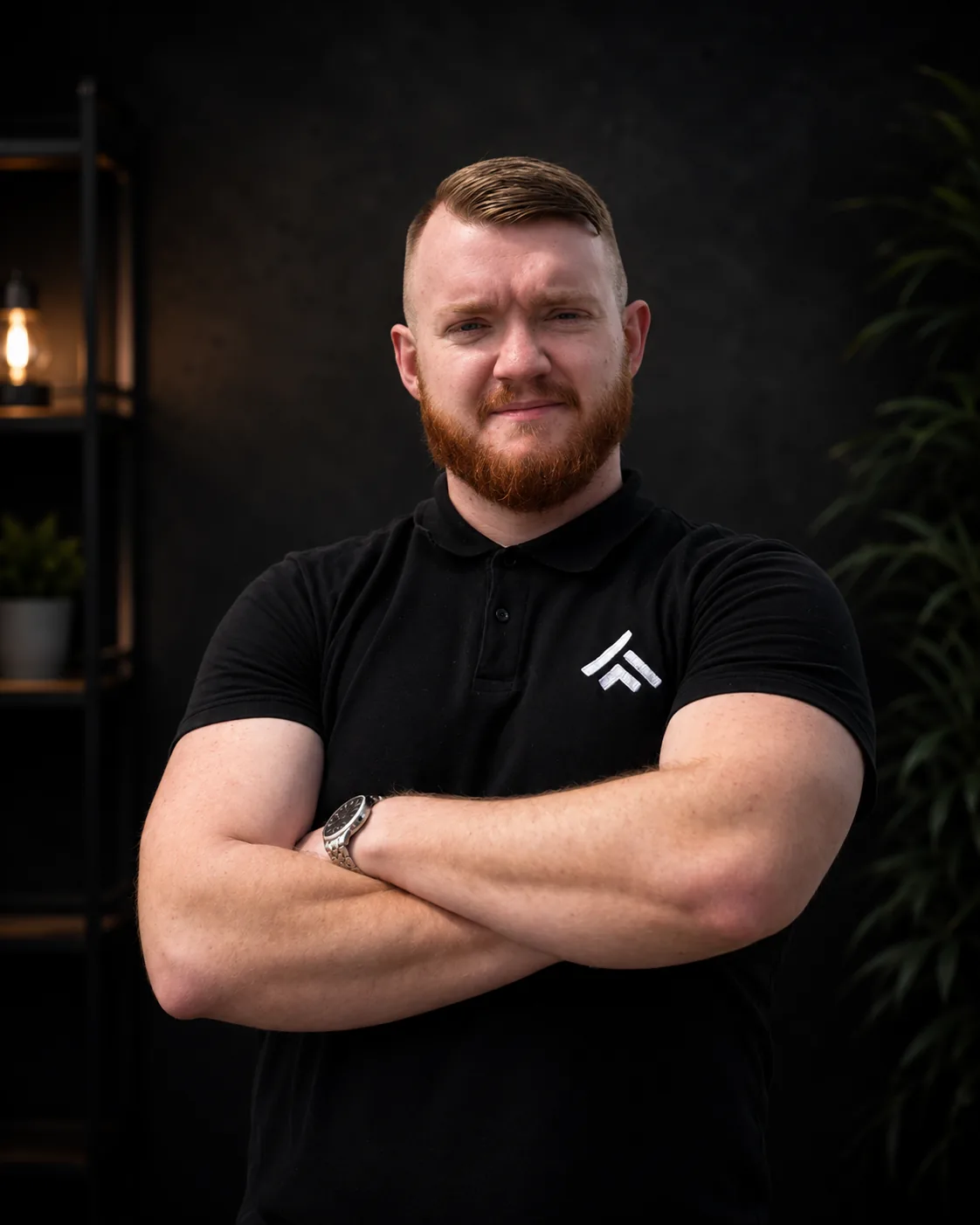
Liam Meacham
Liam leads client strategy across paid media, lead generation and growth systems. His focus is simple: qualified leads, revenue and the commercial result behind the work.
Meet the people behind Think Online(Put it to work)
WANT HELP SCALING YOUR BUSINESS WITH AI?
We will identify the clarity, trust and contact-path issues that are suppressing qualified enquiries.
Book a website conversion reviewSEND US A MESSAGE
Tell us what you are trying to achieve — we respond within one business day.